OPERATOR | MOTOR | OPENER | LIFT
How To Repair A Broken Garage Door Opener - DIY
CHAMBERLAIN (GROUP) - LIFTMASTER - CRAFTSMAN -
GENIE - LINEAR - WAYNE DALTON - SOMMER - RYOBI
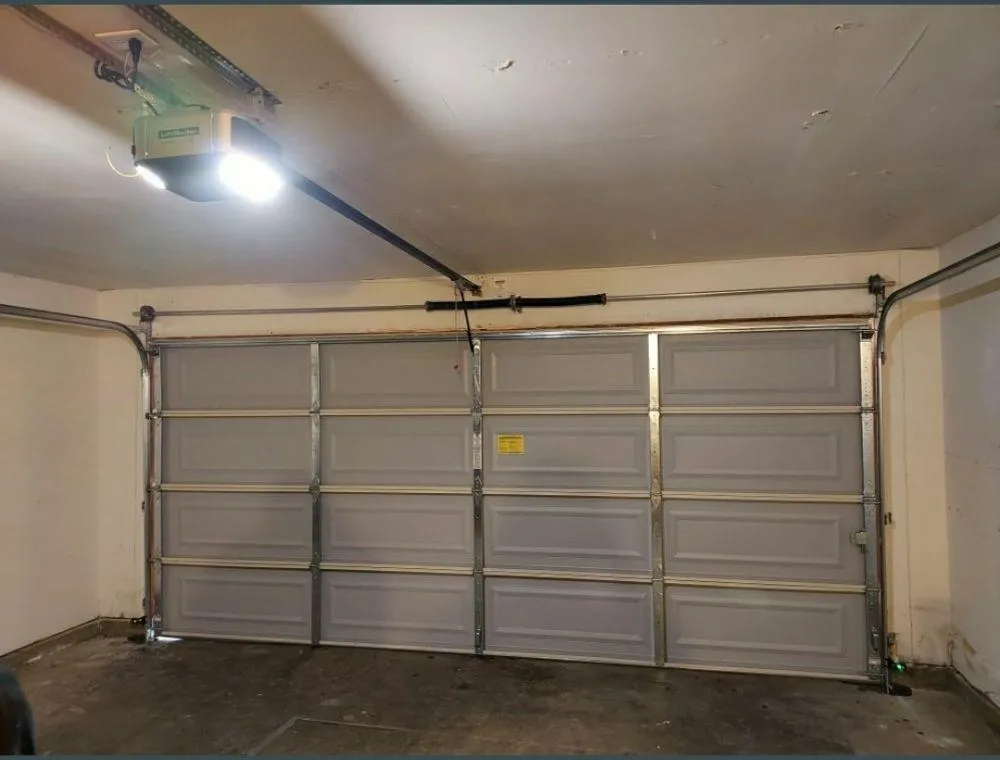
Dealing with a garage door opener that just won’t cooperate can be super frustrating for homeowners. If you're trying to open your garage and it decides to play hard to get, don’t worry—there's a way to get it back in action! Look for that red cord hanging from the opener mechanism up above; that’s your manual release! This nifty feature lets you disconnect the door from the automatic opener, so you can lift it manually. Just a heads up, getting that heavy door up might take a bit of muscle! And if you need to lower it without the opener's help, do so with care. If the springs or cables are acting up, the door could come crashing down unexpectedly. Always make sure there are no kids or pets around when you're operating a dodgy door.Before you jump to conclusions about a broken opener, double-check the power supply. A lot of times, a door that won't budge is just a sign of no electricity getting to the opener. If power isn't the problem, take a closer look at your garage door's spring system to help you troubleshoot specific issues. Knowing how your system works can really help you figure out what's going wrong. And remember, that red cord can be a lifesaver for temporary access! Pulling it disconnects the door from the opener, allowing you to lift it up manually—though be prepared for a workout! Always be cautious when closing that door manually, especially if there’s any wear and tear on the springs or cables, as it could fall quickly. Clear the area of people and pets during these maneuvers to avoid any accidents.Garage door openers make our lives easier—until they don’t, right? Dealing with a finicky garage opener is no fun, but don't stress! We're here to guide you through some of the common issues and easy fixes that can help you get everything running smoothly again. Whether you have a LiftMaster or Chamberlain opener made in the USA, or maybe a reliable Genie model, produced right in Ohio, you're not alone in facing these hiccups. Many people around North America use Craftsman openers too, along with Ryobi, Wayne Dalton, Linear, and even the retired Stanley and innovative Sommer brands. While each brand has its own quirks, we’ll help you identify and fix the typical problems that pop up across the board.
LAWS - GUIDELINES
UL - 325
SB - 969
Exploring the Benefits of a Chamberlain
Backup Battery in Emergency Situations
chamberlain backup battery
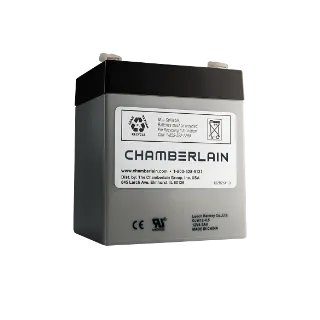
In times of unexpected power outages, having a reliable backup solution can make all the difference. For homeowners with automated garage doors, the Chamberlain Backup Battery is an essential component that ensures convenience isn't sacrificed during emergencies. In this blog, we'll delve into the key benefits of having a Chamberlain Backup Battery during power outages and why it is a smart investment for any homeowner.
Understanding the Role of a Backup Battery
Backup batteries are crucial for keeping your garage door operational during power failures. A Chamberlain Backup Battery connects seamlessly to your garage door opener, ensuring continued function when the power goes out. This device serves as a lifeline, maintaining seamless access to your home and vehicle. When the lights dim, and your neighborhood plunges into darkness, a reliable backup battery becomes more than just a convenience—it becomes a critical component of household management. By providing temporary power, the battery acts as a bridge, allowing you to maintain your regular activities with minimal interruption.
In many homes today, garage doors are the primary point of entry, underscoring the need for reliable operation even during outages. Imagine rushing in the morning to drop kids at school or go to work only to find your garage door stuck due to a lack of power. Situations like these highlight why having a backup battery isn't just practical, it's essential for modern living. Moreover, it provides comfort knowing that inclement weather or grid failures won’t trap you inside or leave your home vulnerable.
Benefits of Installing a Chamberlain Backup Battery
Installing a Chamberlain Backup Battery provides uninterrupted access to your garage, enhancing the safety and security of your home. It ensures you can open and close your garage door as needed, even when the power is out, offering you the convenience of not being locked in or out of your own driveway. Whether you're returning from a vacation or simply stepping out for errands, being able to operate your garage hassle-free is a modern necessity.
Another significant benefit is the added layer of safety it offers. In the event of an emergency, you wouldn’t want to be stuck inside, fumbling for keys or waiting for the power to return. For families with young children, the peace of mind that comes from knowing your exits remain operable is invaluable. Moreover, the Chamberlain Backup Battery is designed to maintain its charge and perform efficiently, ensuring a reliable fallback whenever the unexpected happens.
Furthermore, for those with home-based businesses or who store valuable equipment in their garages, having functional access means additional security for your investments. The battery acts as a deterrent against potential security threats by guaranteeing the door can be operated on demand, securing your tools and personal belongings. In a world where every second counts, not having to worry about manual operations in the event of a power cut is a security advantage worth installing.
Easy Installation and Maintenance
One of the significant advantages of choosing a Chamberlain Backup Battery is how straightforward it is to install and maintain. Unlike many home improvement tasks, you don't need to be a seasoned DIYer to add this practical power solution to your garage door setup. With minimal upkeep required, the device promises continuous reliability. Typically, the installation process involves a few simple steps that most homeowners can complete on their own using just the manual. Its design considers ease of use, making it accessible to anyone looking to enhance their garage's resilience.
Moreover, the maintenance required for the Chamberlain Backup Battery is as convenient as its installation. Regular checks ensure the battery remains in top condition, ready to perform when needed. Homeowners are advised to periodically test the system, ensuring all components interact seamlessly. This proactive approach helps identify any potential issues before they escalate, promoting the longevity of your investment. The user-friendly design and low maintenance requirements make it a practical choice for those who value both convenience and functionality in home upgrades.
Extended Battery Life and Performance
Chamberlain Backup Batteries are designed to last. With regular maintenance, these batteries can provide considerable power longevity, ensuring you're not frequently replacing them. This feature provides confidence that when the lights go out, your garage door won’t let you down. The battery’s durable construction ensures that it withstands the rigors of daily garage door operation while maintaining its charge efficiently over time. This quality aligns with the Chamberlain commitment to reliability and durability in home security solutions. For consumers, this means peace of mind knowing their garage will continue to function in power outages without frequent battery replacements.
Additionally, the performance of the Chamberlain Backup Battery doesn’t diminish over time, thanks to its robust engineering. It swiftly transitions into the main power source without a noticeable interruption in the door's operation. In essence, the battery provides silent assurance—it’s there when you need it, but doesn’t demand attention when you don’t. This unobtrusive quality allows you to maintain your focus on more pressing matters, knowing that this aspect of home safety is well-managed. Its ability to endure and perform consistently reassures homeowners that they have made a sound investment in their safety.
Enhancing Home Security during Power Outages
A non-operational garage door can be a security risk. The Chamberlain Backup Battery keeps your home secure during outages, preventing potential intruders from exploiting a powerless entryway. This security measure gives homeowners peace of mind, knowing their property remains protected no matter the circumstance. When the grid fails, and you find yourself in darkness, it's comforting to know that key areas of your security setup—like garage door locks and access points—remain functional and safe from breaches.
Many homeowners don't realize that garage doors are common targets during power outages, as issues with their functionality might present opportunities for break-ins. By keeping your automated systems running, Chamberlain Backup Batteries remove these vulnerabilities, maintaining robust security at all times. Beyond its practical purpose, the battery also psychologically reinforces the feeling of safety within one’s home. In environments where energy stability isn’t guaranteed, having such precautions in place is invaluable, offering continuous protection against unpredictable threats.
Securing Peace of Mind with Chamberlain Backup Battery
A Chamberlain Backup Battery is not just a luxury; it's a necessity for those looking to maintain security and convenience during power outages. Its ease of installation, long-lasting performance, and role in ensuring safety make it an invaluable addition to any modern garage system. Investing in one could save you from future hassles, providing peace of mind that your garage is always ready to respond when you need it most.
SYMPTOM - CAUSES - ISSUES - SOLUTIONS
Dealing with a malfunctioning garage door opener is a source of frustration for many homeowners. Should you attempt to open your garage and find it unresponsive, don't lose hope. Carefully look for the red cord dangling from the opener mechanism above—your manual release. When your garage door is immovable, this feature enables you to detach the door from the automated opener, allowing you to manually lift it. Be aware this may require considerable effort. However, if you must lower the heavy door without opener aid, proceed with caution. If there's an issue with the springs or cables, the door could shut abruptly. Ensure no children or pets are near the closing path to prevent accidents. Before assuming your opener is broken, check the power supply. Often, a non-responsive door is due to no electricity. With power ruled out, identify your garage door's spring system for specific troubleshooting guidance. Understanding the nuances of your system aids in pinpointing and potentially rectifying the issue. One simple solution for temporary access is using the red cord hanging from your opener. If the opener fails due to electrical or mechanical faults, pull the cord. This action disconnects the door from the opener, allowing you to raise it manually, although it might require some strength. Exercise caution when manually closing the door, especially if there's a damaged spring or cable, as the door could close quickly. Ensure the area is clear of people and pets when operating a malfunctioning door.
DIY - TROUBLESHOOTING - DIAGNOSTICS
CODES - ERROR - BLINKS - BEEPS: WHAT DO THEY MEAN
MOTOR WONT WORK: EASIEST SOLUTION
EMERGENCY RELEASE CORD
Every night as you pull into the driveway, you instinctively reach overhead and push the magic button that raises the garage door to let you in. You’ve done it so many times that you probably don’t even think about it anymore. You just go through the motions because you assume the door will go up. But what if it doesn’t? How will you get in? Can you even lift the door up manually?
7 Common Garage Opener Issues
and How to Solve Them
REMOTE NOT WORKING A) (BATTERIES) Is your remote unresponsive? Quick tip: Check the batteries. Often, the simplest solutions spark the greatest relief. B) (SIGNAL 1.0) Connection issues? Stay within signal range, let your antenna hang free, and ensure it's clear of obstructions. Some models might need a quick re-sync—stay tuned. C) (MOISTURE) Protect your remote from the whims of weather—avoid moisture and extremes. Sync seamlessly to keep garage access at your fingertips, rain or shine. D) (SIGNAL 2.0) Are LED bulbs disrupting your door's groove? Some can cast a signal-blocking shadow. Choose bulbs that get along with your garage door opener.
MOTOR WON'T OPEN DOOR OR ONLY OPENS A FEW INCHES: A) The most common cause is a broken spring. See link: BROKEN SPRING REPAIR/COST. B) Obstruction or "Drag" due to excessive force (other than spring). This could be a result of misaligned tracks. Ensure the tracks are straight and clean. C) Worn or broken rollers, a panel caught on the jamb (nail-wood-stucco), a door stuck to the jamb (paint-sap), or a door stuck to the ground (ice). D) Limit settings on your opener. Limits refer to where the door should stop. Mechanical or programming limit settings are used. Mechanical limits are common on older models and are usually accessed through a hole on the motor cover or under the light cover (3" skinny flathead screwdriver). Programmed limits are set by placing the operator in "learn mode," running the door up and down, and setting the limits once the desired position is achieved. A user's manual is needed for this – consult Google. If an adjustment is required, first determine the cause. A chain or belt could be out of timing, or a gear/cog/sprocket might be worn out. Exercise caution when making this fix and adjusting the limit screws on the opener to correct the range of motion. Limits don't change by themselves; something caused the issue. The safest choice is to call a professional.
DOOR STOPS IN DIFFERENT POSITIONS GOING UP OR DOWN: A) LACK OF MAINTENANCE: As stated, excessive strain can cause the motor to "think" there is an issue. Most operators have a resistance threshold that, when reached, causes the door to stop. This can indicate loose components, worn rollers, or a need for lubrication. Tightening any loose nuts and bolts and lubricating moving parts can significantly improve your garage door opener's performance. Each brand's specific parts may wear differently over time; maintaining a routine is crucial. B) We have honed the biannual requirements recommended by leading manufacturers, including a 42+ point Safety and Serviceability checkup and the appropriately titled "Lube-and-Tune-Up," which we perform during every service visit. This service is currently $75.00. Our Maintenance Program offers a 33.33% discount when you enroll in the yearly program (2 S&S and 2 L&T, 6 months apart). For details, see the link:
The Door Reverses Before It Hits the Floor: Your garage door reversing before it touches the ground could be due to several reasons. A) Obstructions on the door, such as a rope, cobwebs, or decorations from last weekend's party could interrupt the photo eye as the door closes. B) SPRINGS ARE BOUND - The springs should expand and contract as the door moves. If they aren't pre-stretched, the coils can become bound. Sometimes, a bit of oil suffices. But remember, DO NOT WORK ON THE SPRINGS YOURSELF—CALL A PROFESSIONAL. C) The sensitivity might require adjusting. Most openers feature a knob or dial to reduce the sensitivity. Additionally, check the tracks for obstructions ensuring a smooth door path. The sensors at the base of your garage door are crucial for safety, allowing a small margin of error to avert accidents or damages. D) PHOTO EYES: Misaligned or obstructed sensors could make your door reverse instead of closing. Cleaning the sensors with a dry cloth—NOT WATER—and removing cobwebs from the bottom of the door seal can be effective.
Opener Motor Runs but Door Doesn't Move: Not Connected – In Manual Mode A) If the motor runs but the door doesn't move, the emergency disconnect (lever/cog/arm) rope with a handle hanging down might be engaged, or the trolley may not be properly connected to the garage door. Check the trolley along the belt or chain and reattach it if necessary, or reset the emergency disconnect mechanism. B) At times, a power outage or surge may cause problems with the circuit breaker or a GFI. Press the test button, then reset. C) Making sure all components are properly seated and secure can help prevent these issues. Occasionally, mechanical problems may stop the door from moving. An inspection could show a broken spring or damaged rollers, which require prompt repair. Should you be unsure about diagnosing a motion issue, having an expert inspect your system can guarantee that everything works in unison and safely, thereby avoiding damage or unforeseen expenses.
The Wall Switch Isn't Responding: A non-functional wall switch could arise from wiring problems or a defective switch. Ensure the wiring is secure and examine the switch for any signs of damage or deterioration. Often, resolving the issue involves replacing the switch. Additionally, using a multimeter to test for continuity can determine if the switch is functioning or if there's a more complex electrical problem. It's also worth verifying that the wall switch hasn't been accidentally disabled via the main control board of your garage opener. In some setups, a master control can deactivate wall switches for increased security. Familiarize yourself with these controls through the manufacturer's instructions or with professional assistance to guarantee everything works correctly. For intricate wiring issues, it's wise to consult a technician to prevent electrical dangers.
An unresponsive opener could indicate power supply issues or a need to reset the system. Check the power source to ensure the unit is plugged in correctly and consider resetting the opener according to the manufacturer's instructions. In cases where power intermittency is a concern, examining nearby outlets or circuit safety is beneficial.Advanced systems might require firmware updates or synchronization to restore full functionality. Use manufacturer resources or consult with professionals to facilitate these updates, ensuring long-term software integrity. Persistent unresponsiveness warrants a diagnostic review from an authorized service provider to safeguard your device from escalating faults and malfunctions.
In the event that you realize the problem isn’t with the door opening system itself, but with a structural problem with the door or the track, give us a call. We have the expertise and parts available to help get your door working like it’s brand new. MORE THAN LIKELY ITS A BROKEN SPRING.

GARAGE DOOR SPRINGS
TORSION SPRINGS
EXTENSION SPRINGS
TORSION SPRINGS
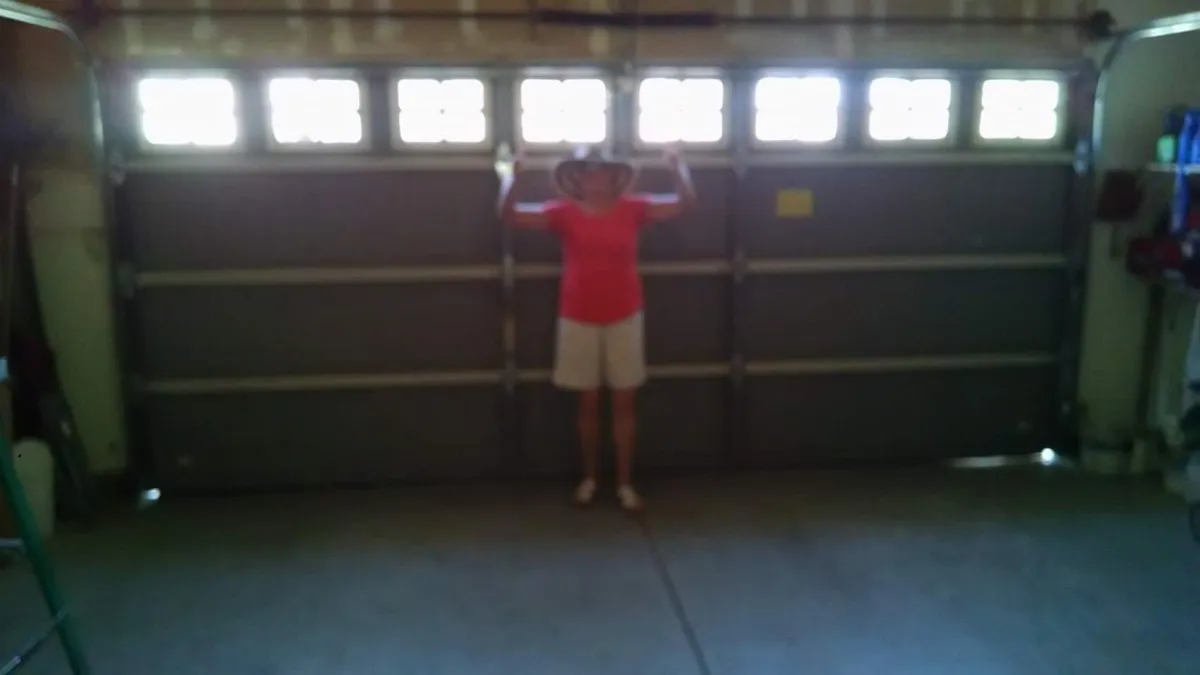
There are two basic types of spring systems. The first is a standard extension spring. You can quickly identify this type of door system by locating the long extension springs that run parallel with the roller tracks. If you do have this type of door and you are comfortable with do-it-yourself projects, then this is most likely a fix that you can make on your own. There are several potential dangers that you need to be aware of when it comes to handling large springs that are under pressure, but with some caution and by following the manufacturer’s instructions closely, you can do most of the repairs on these doors. Some of the possible problems with these are broken springs, broken cables, broken pulleys or broken rollers. A broken spring or cable will be obvious when you look up at the railing system, but a damaged pulley or roller may take some closer examination to spot.
Garage doors are an essential part of our homes, providing security and convenience. However, they can occasionally malfunction due to various reasons, with a broken spring being one of the most common culprits. Understanding what causes this issue and how to address it can save you time, money, and effort.
Understanding the Role of Springs in Garage Doors
Garage door springs are crucial components that bear the majority of the door’s weight, allowing for smooth opening and closing. When these springs fail, the door can become inoperable or even hazardous.Springs are typically either torsion or extension springs. Torsion springs are mounted horizontally above the garage door, while extension springs are placed on either side of the door tracks. These springs are tightly wound coils of metal that provide the force needed to lift the door. Without the tension provided by these springs, a garage door can weigh several hundred pounds, making manual operation nearly impossible.The energy stored in a spring as it coils and uncoils is substantial, highlighting the potential danger when one of these springs breaks. As they help balance the door whether it is in motion or at rest, failure can result in the entire system becoming unbalanced. This imbalance can lead not only to an inability to open or close the door but may cause the door to slam shut unexpectedly, posing a significant safety risk.
Common Causes of Garage Door Spring Failure
There are several factors that can lead to the failure of garage door springs, including wear and tear, rust, and improper maintenance. Understanding these causes can help in identifying potential issues before they lead to a complete breakdown.Wear and tear is perhaps the most inevitable cause of spring failure. Normal usage involves the coiling and uncoiling of the spring thousands of times over the course of its life, gradually leading to fatigue. Manufacturers often estimate the lifespan of a spring in terms of cycles, with one cycle being a complete opening and closing of the door. Most springs are designed to last for about 10,000 cycles. However, if a garage door is used more frequently, its springs may fail sooner.Rust is another insidious enemy of garage door springs. It accelerates the process of wear and tear by adding friction to the coils and corroding the metal. As rust weakens the structural integrity of the spring, it may snap prematurely. This is why it's essential to regularly inspect your springs for signs of rust and apply a metal lubricant to minimize the risk.
The Impact of Weather and Environmental Conditions
Environmental factors such as extreme temperatures and humidity can affect the elasticity and strength of the springs, potentially leading to a faster deterioration.Cold weather can cause metal springs to contract, increasing tension and making them more prone to breakage. Conversely, heat can cause them to expand, potentially reducing their effectiveness. Humidity also plays a crucial role. High moisture levels in the environment can exacerbate rust formation. Moreover, garages that are not well insulated could subject the metal springs to fluctuating temperatures, accelerating the aging process.
Signs That Your Garage Door Spring Might Be Failing
Detecting a failing spring early can prevent more extensive damage. Look out for signs such as squeaking noises, uneven door movement, or visible gaps in the spring.Aside from these common signs, you may also experience difficulty in manually lifting the door, or the automatic opener may struggle. The door might open partially and then stop, or fail to respond at all. Another indicator is if the door closes too quickly or with a significant bang. Paying attention to these performance issues can provide the cues needed for timely spring replacement.
Maintenance Tips to Prolong the Life of Your Springs
Regular inspection and lubrication are simple yet effective ways to maintain the health of your garage door springs. Getting professional maintenance checks annually can also help in extending their lifespan.During self-inspections, ensure that the springs are adequately tensioned and look for any deformation or rust. Applying a lightweight oil directly onto the springs can help reduce friction and protect against moisture issues. Additionally, ensuring the door remains balanced is crucial — if unsure, disconnect the automatic opener and see if you can lift the door halfway. If it doesn’t stay in place, the springs may need adjustment.Moreover, make sure that you review and test the garage door opener’s settings as well, including the safety reverse feature. A properly set up garage door opener takes the strain off the springs, prolonging their life. For this reason and to ensure safety, it’s highly recommended to enlist professional services when handling heavy-duty springs or when significant repairs seem imminent.
Keeping Your Garage Door in Top Shape
Regular maintenance and prompt attention to any warning signs can significantly extend the lifespan of your garage door springs. Understanding the underlying causes of a broken spring helps in both prevention and timely repairs, ensuring your garage door remains functional and efficient.
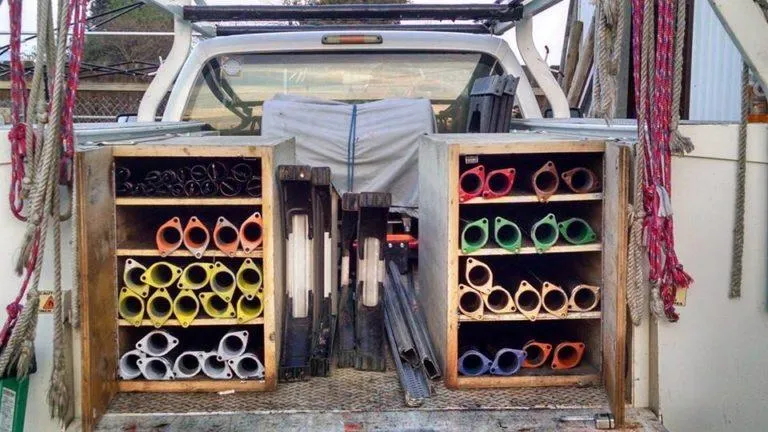
If you notice that your door system operates with a large spring that is mounted over the header of the door, please don’t mess with it. This is a torsion spring. It is mechanically wound to a very high tension and then bolted into place. It is very dangerous to try to fix these on your own. If you believe that you have a problem anywhere within this type of system, please call a professional like Garage Door Repair and Installations Company in Visalia CA to take care of it.
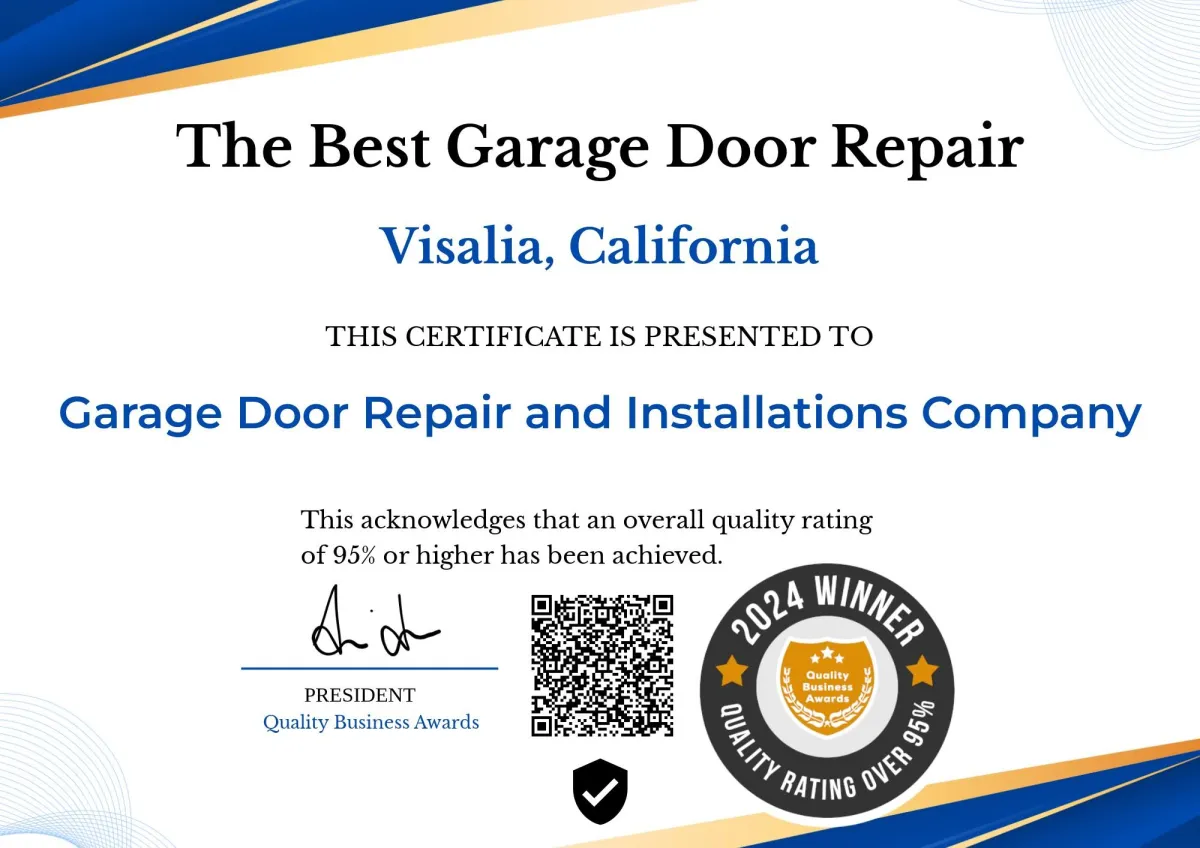
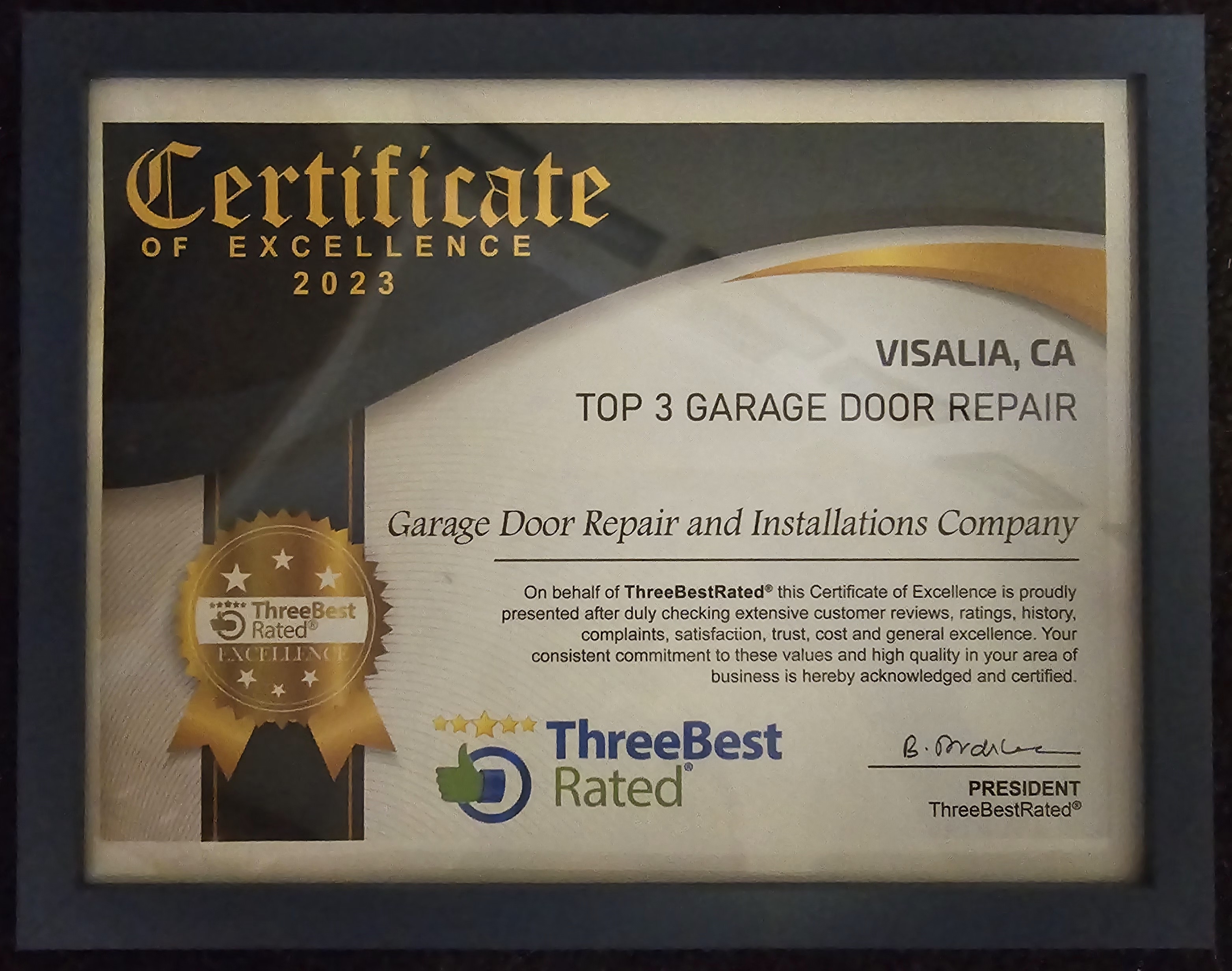
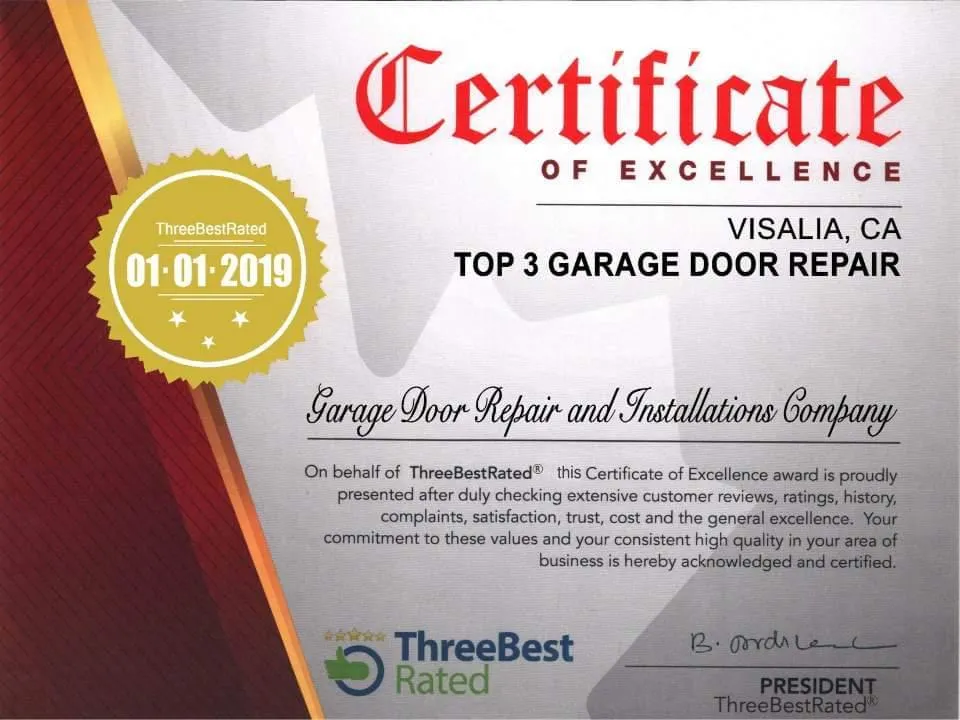
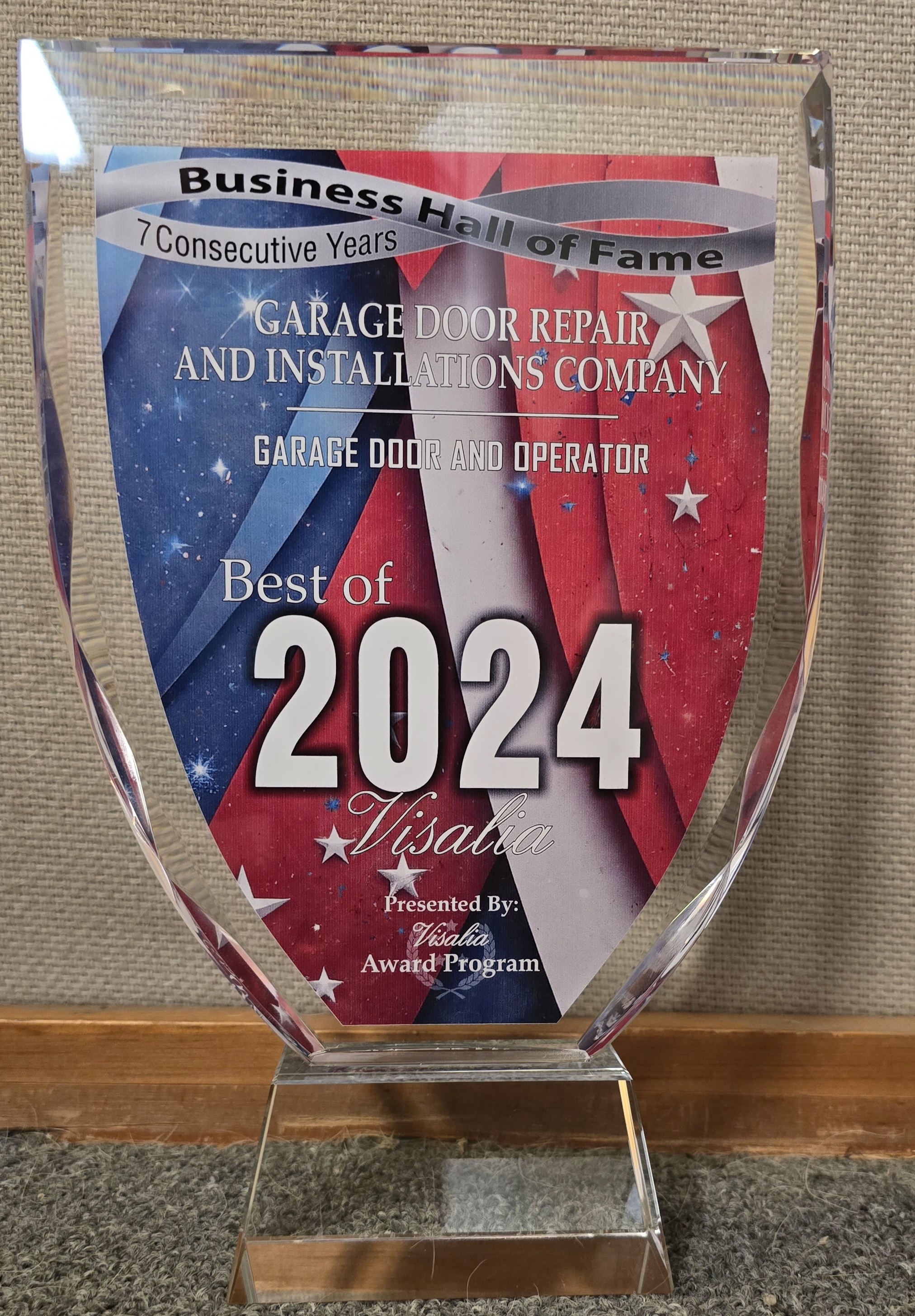
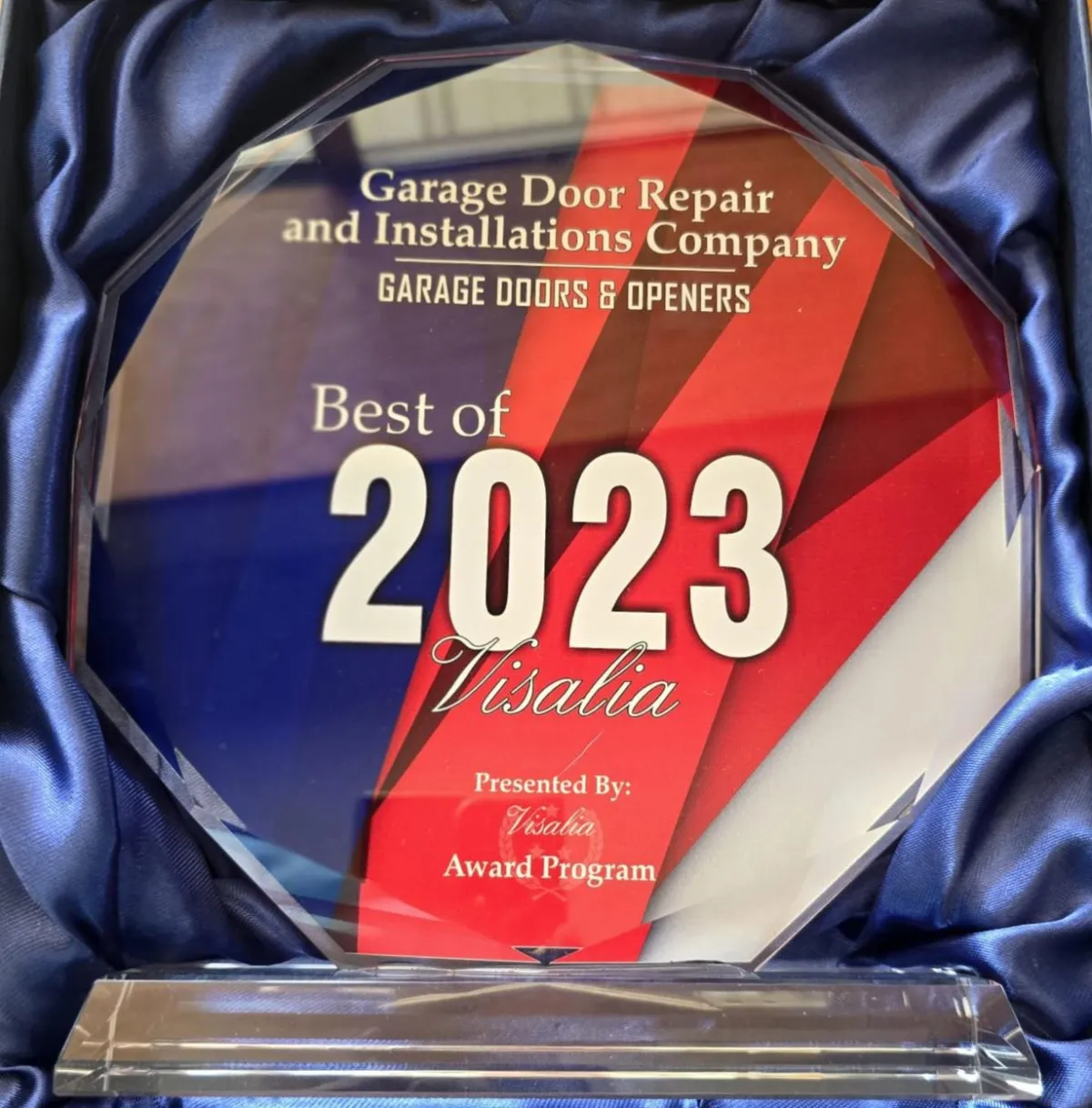
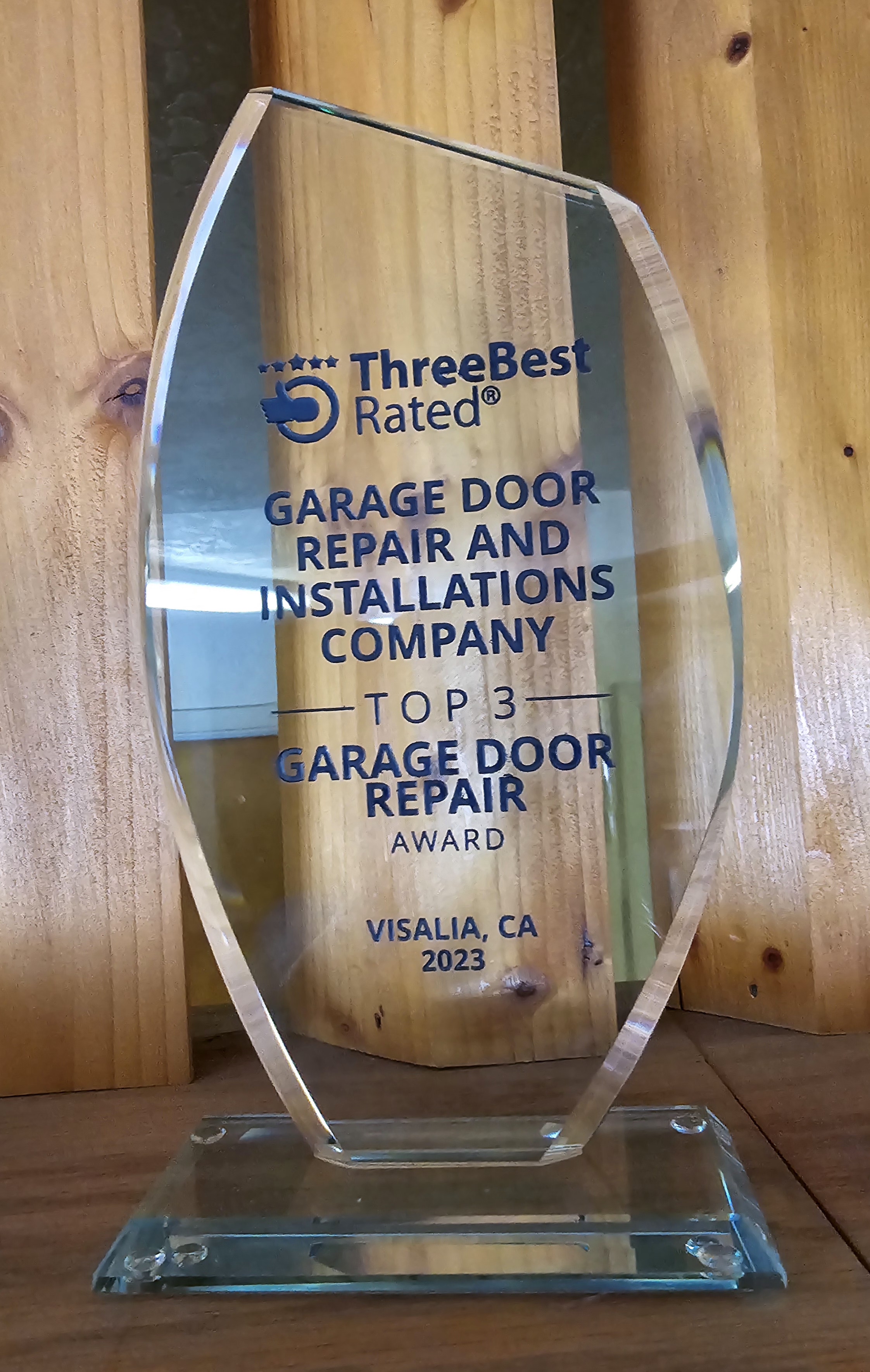
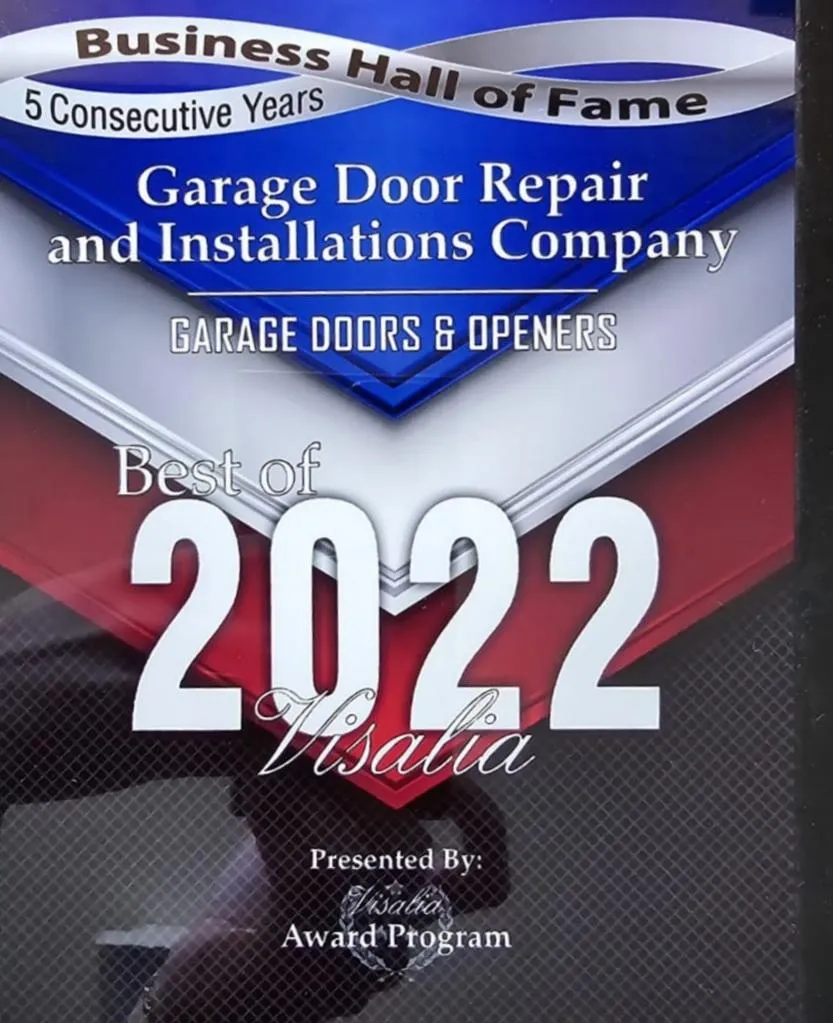
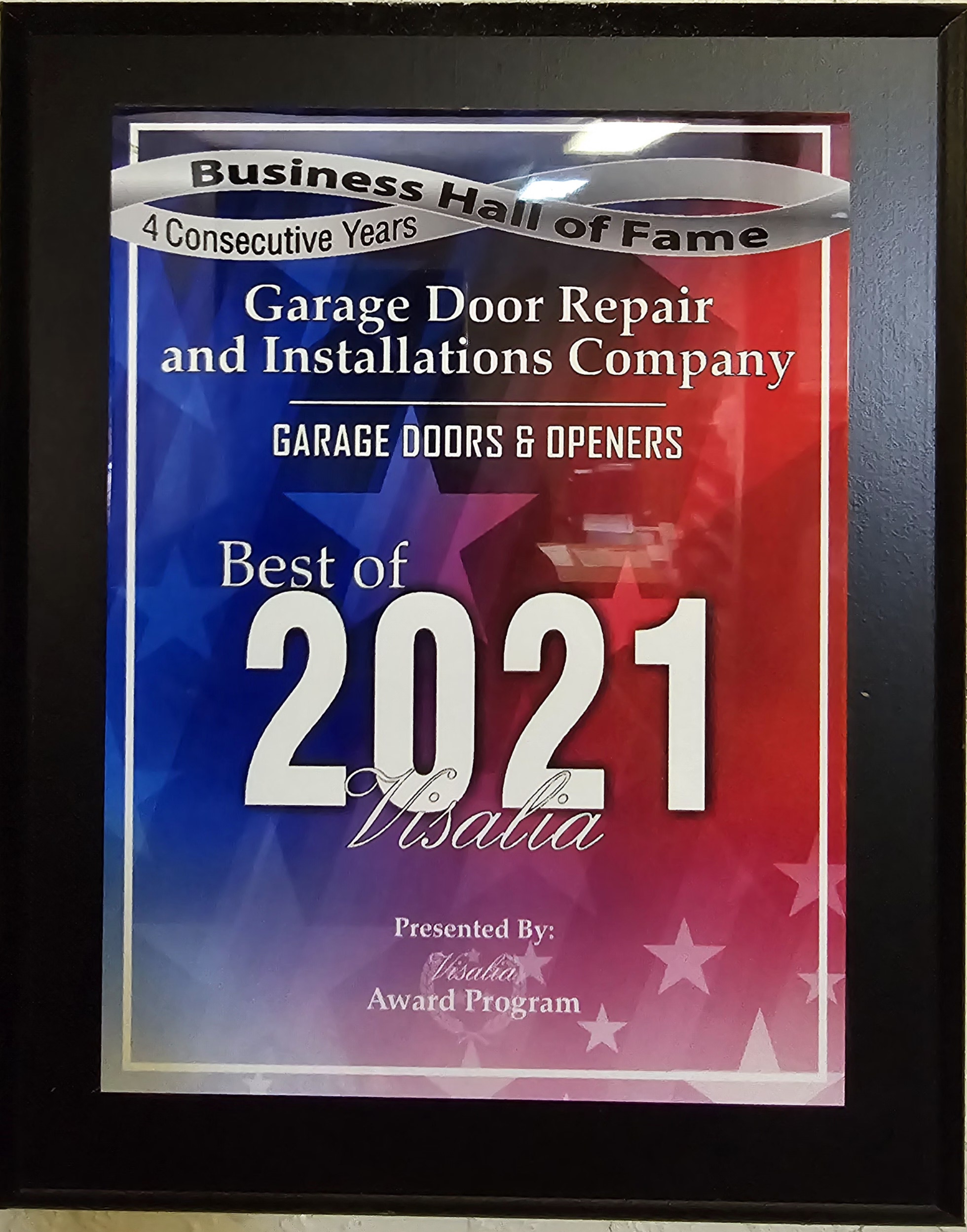
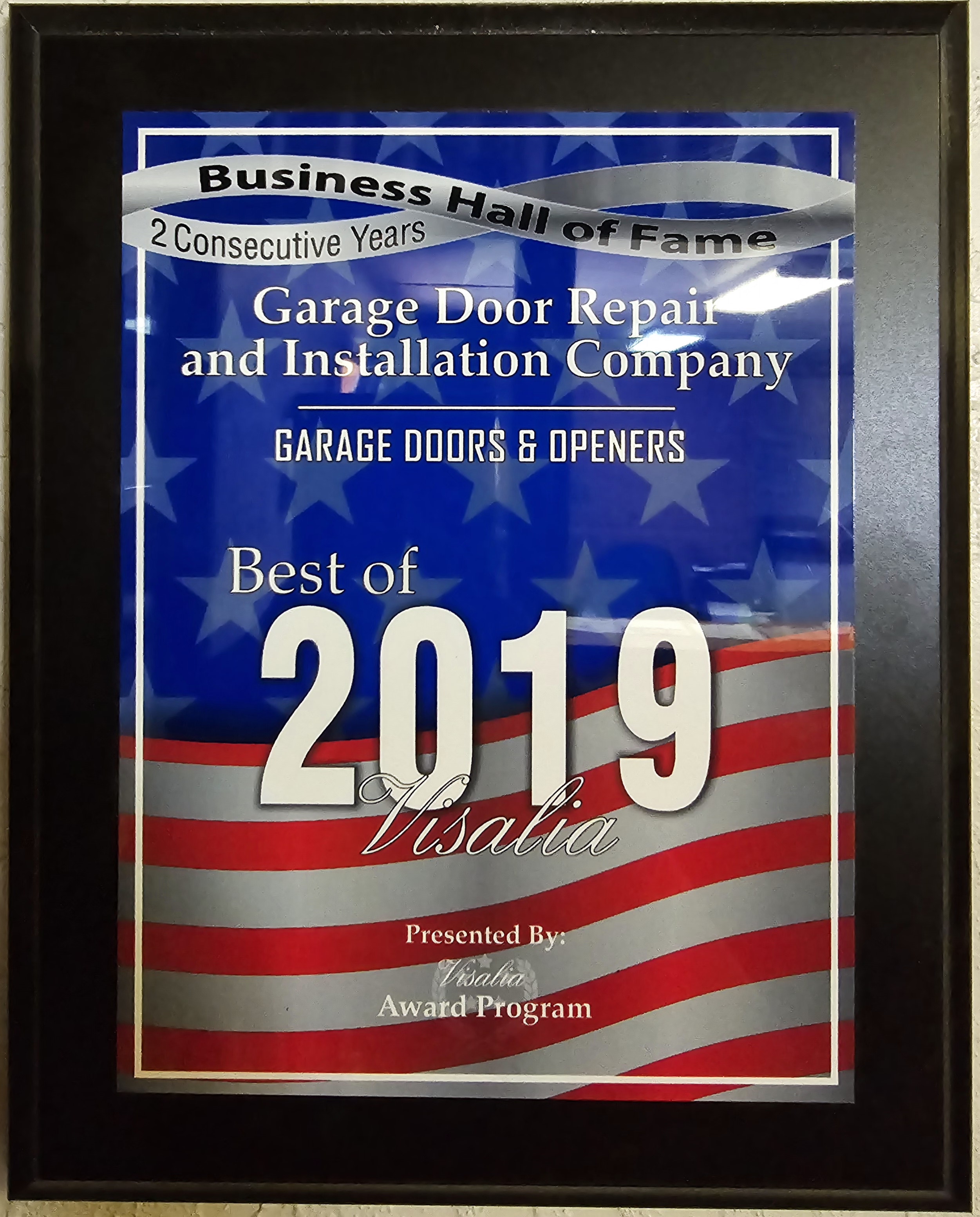
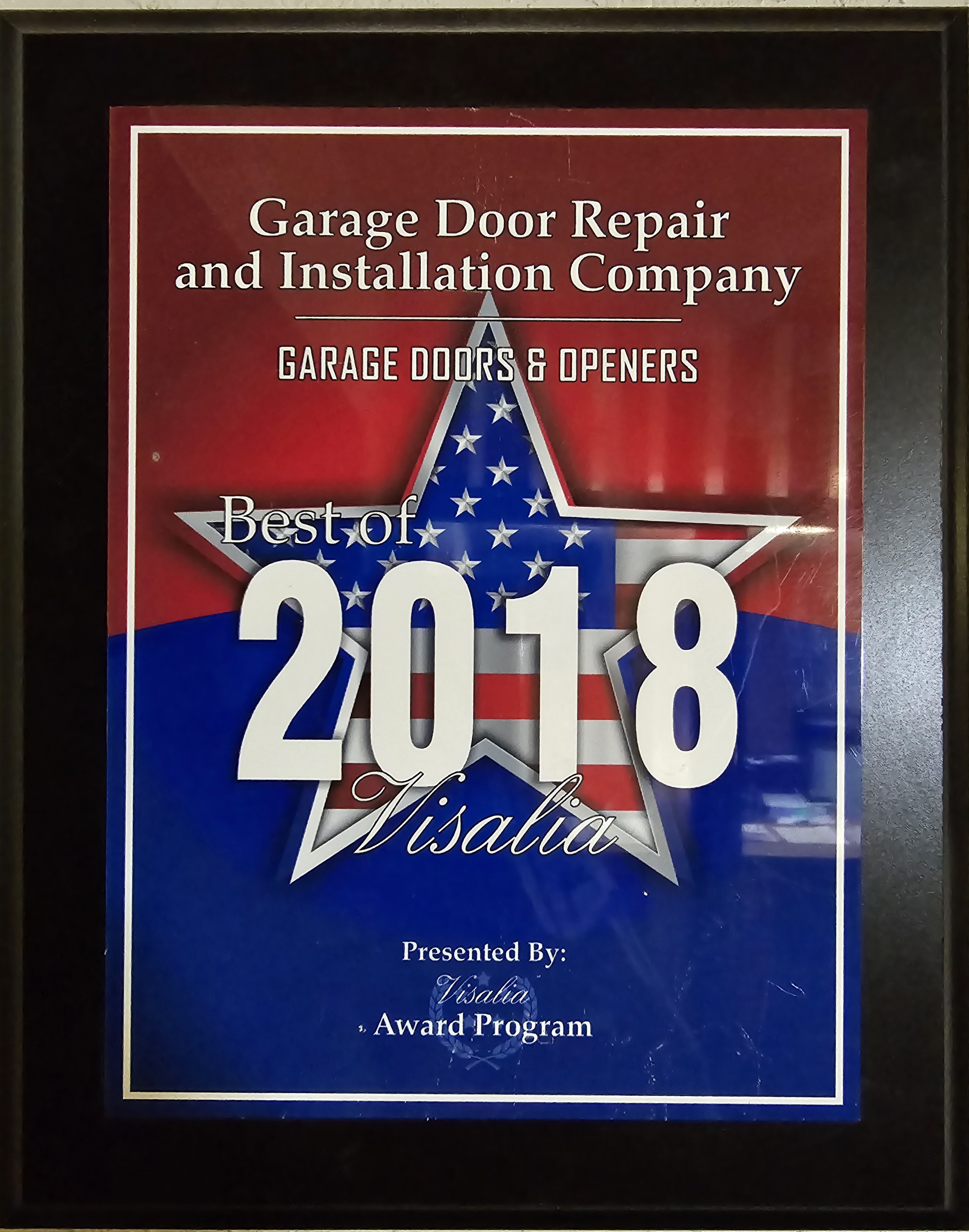
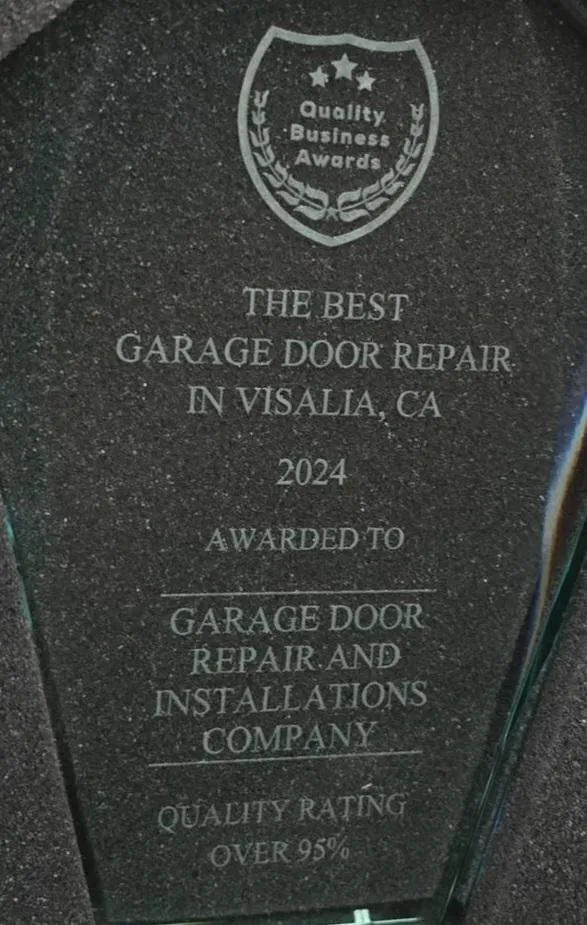
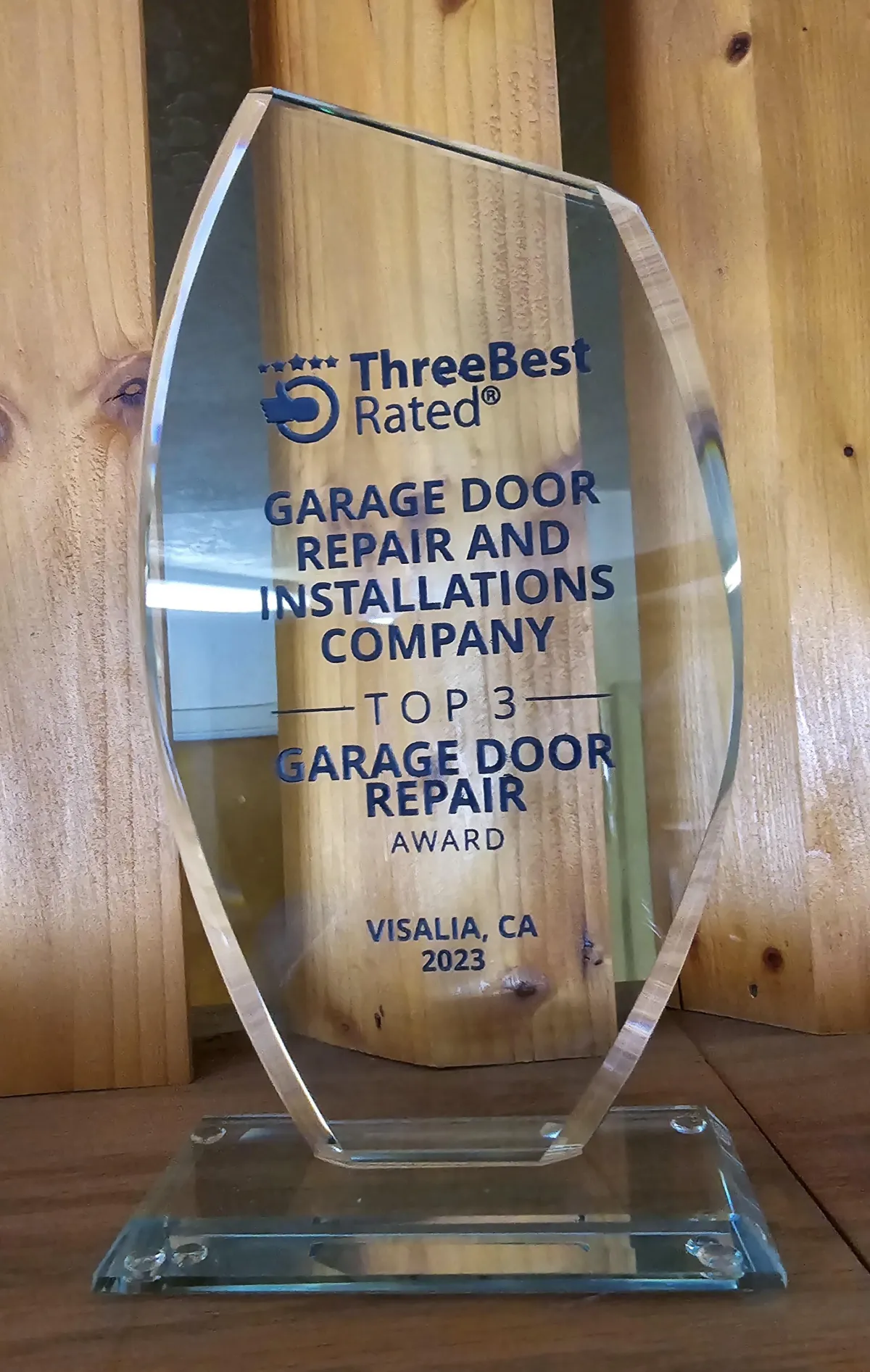
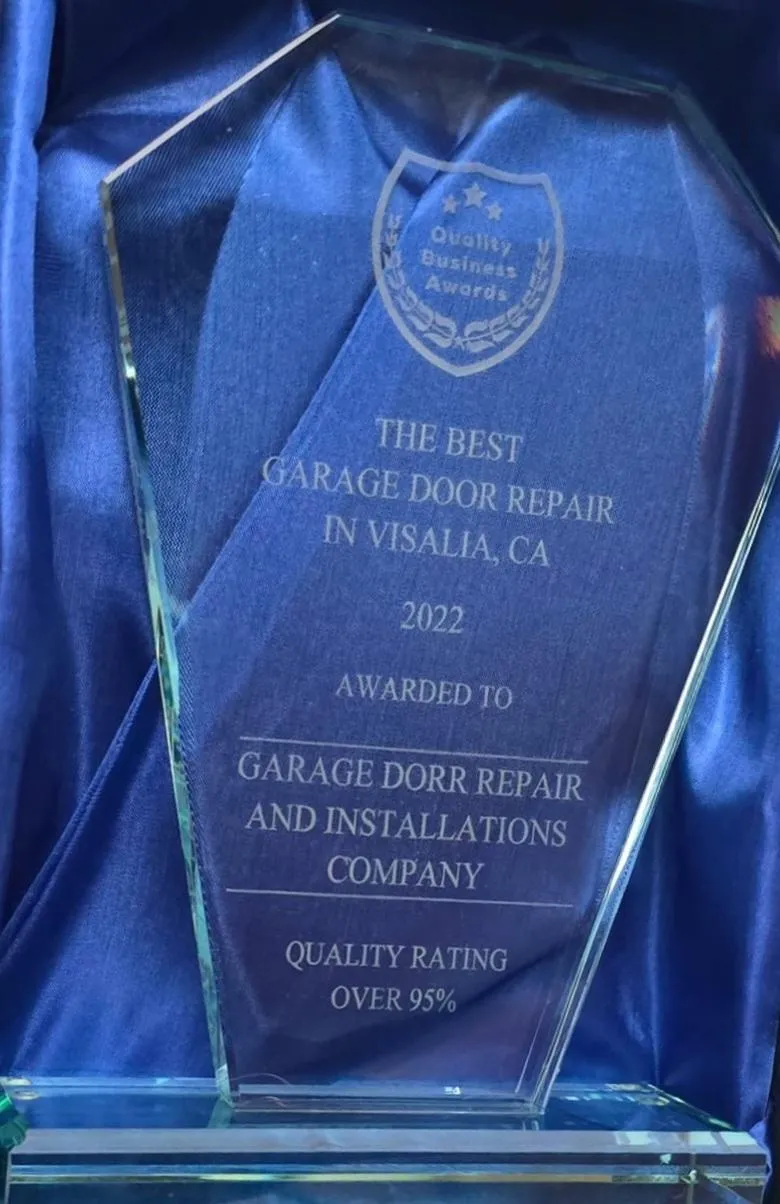
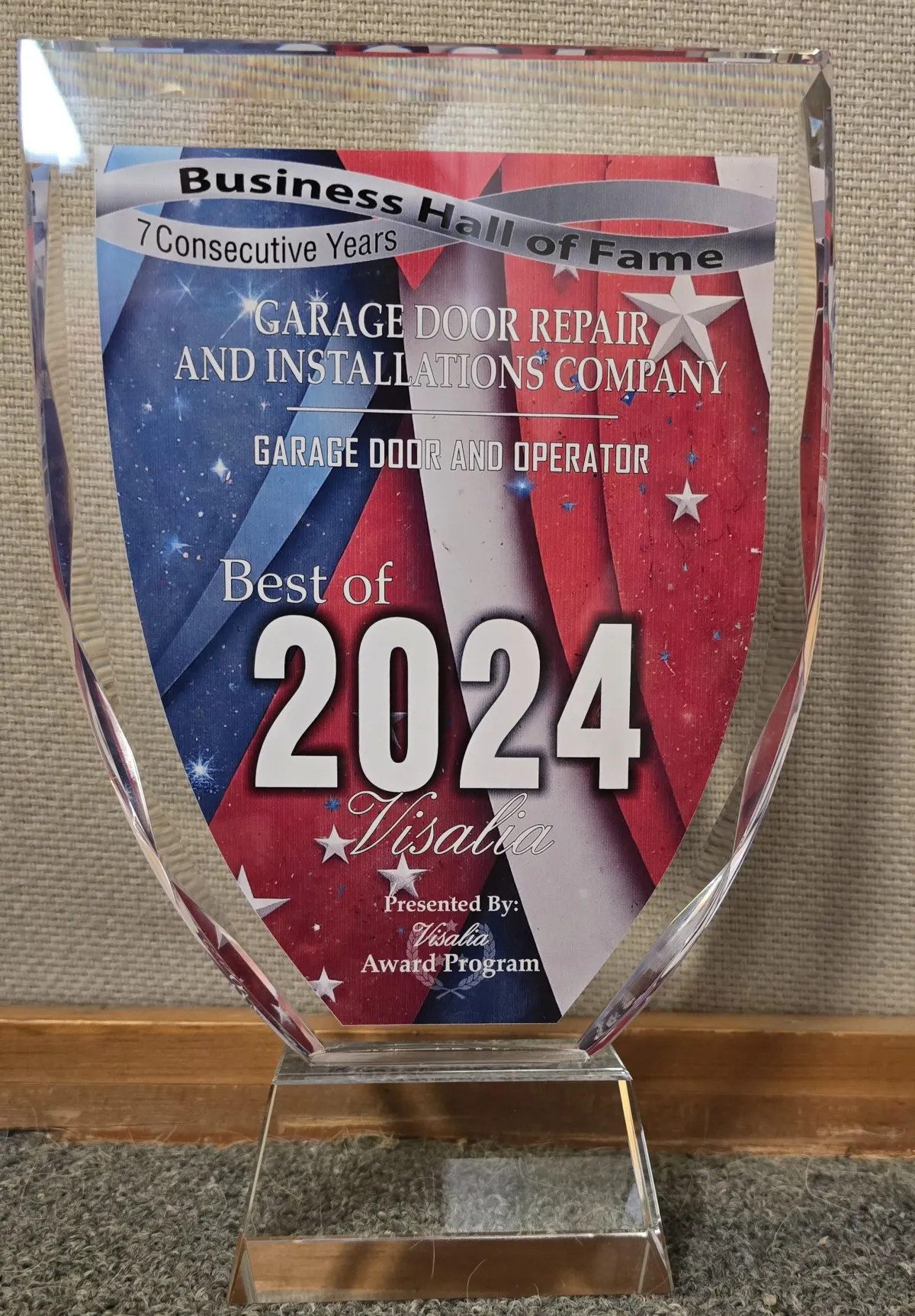
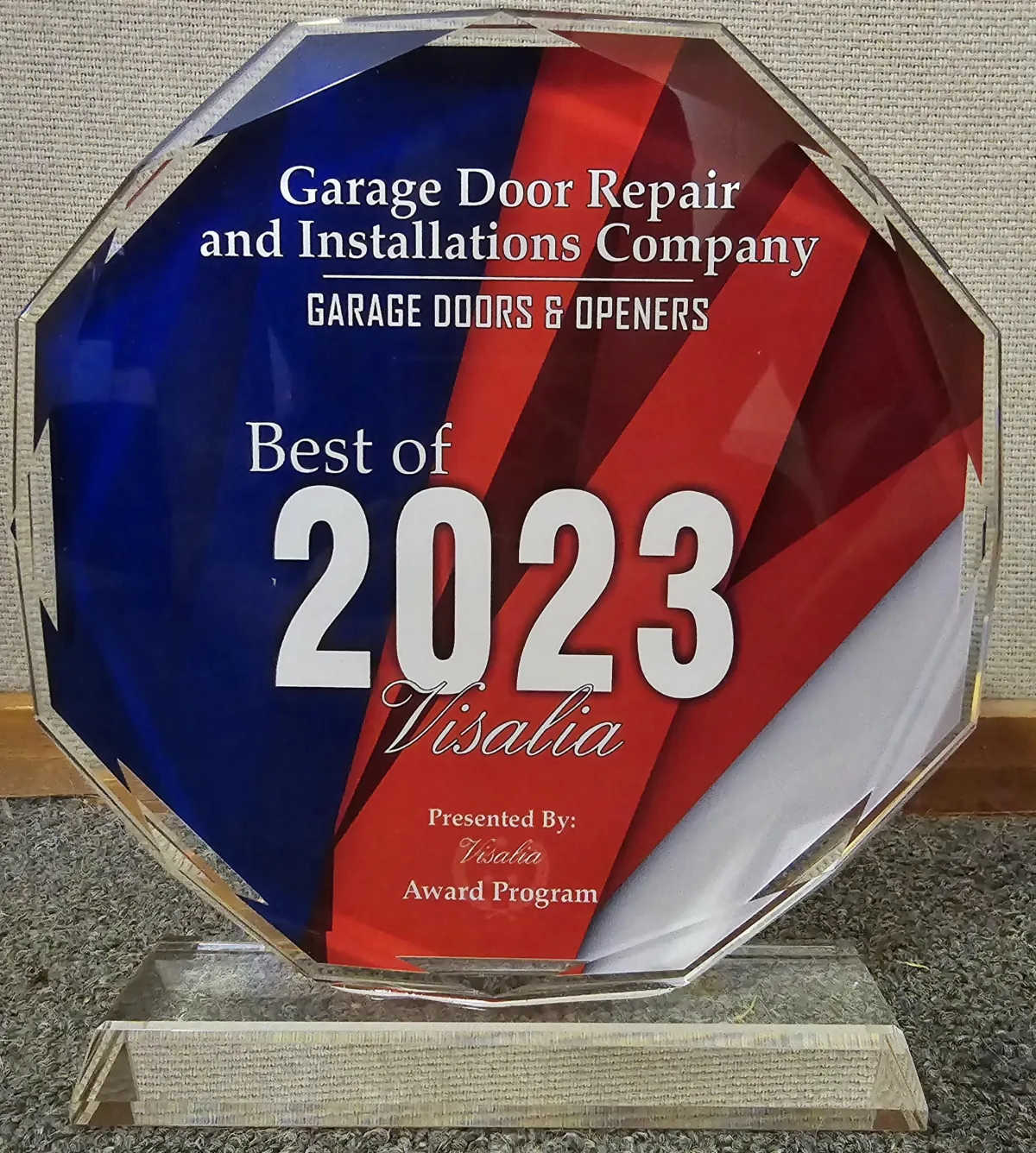
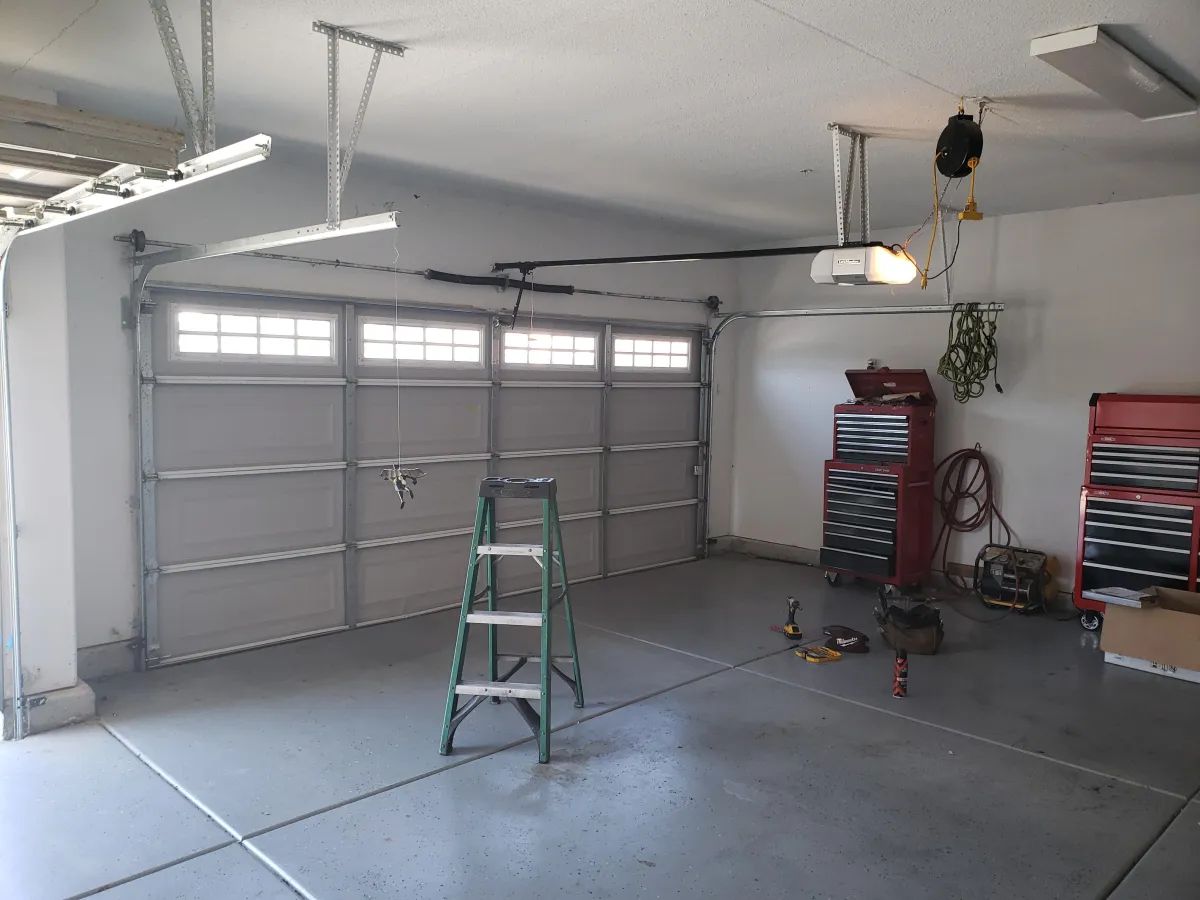
WALL OF FAME


































© 2012-2026 Garage Door Repair and Installations Company
2841 W Ashland Ave
Visalia, CA 93277
CSLB 995538 D-28
WE ACCEPT


© 2012-2026 Garage Door Repair and Installations Company
12036 Ave 340
Visalia, CA 93291
CSLB 995538 D-28
CONNECT WITH US


CONTACT US
OUR HOURS
24 Hours
OPEN EVERY DAY




Google Plus